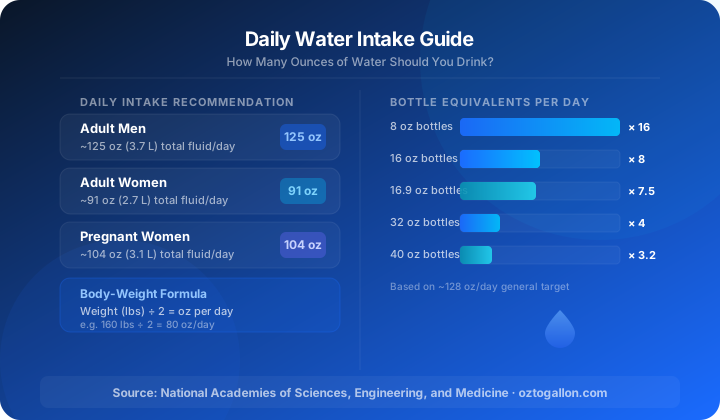
The National Academies of Sciences recommends approximately 125 oz (3.7 liters) per day for men and 91 oz (2.7 liters) per day for women from all fluids and food combined. As a practical daily water target, most adults do well starting with half their body weight in ounces — so a 160-lb person aims for 80 oz of water daily, plus more during exercise or heat.
📋 Table of Contents
- Average Daily Water Intake Recommendations
- Water Intake by Body Weight
- Water Intake for Men vs Women
- How Activity Level Changes Your Needs
- Climate and Hydration Needs
- How Many Water Bottles Per Day?
- Is 64 oz of Water Enough?
- Should You Drink a Gallon a Day?
- Signs You Are Not Drinking Enough
- Benefits of Proper Hydration
- Can You Drink Too Much Water?
- Best Times to Drink Water
- Hydration Tips That Actually Work
- Frequently Asked Questions
Average Daily Water Intake Recommendations
The most widely cited daily water intake figures come from the National Academies of Sciences, Engineering, and Medicine, which studied thousands of healthy adults. Their adequate intake (AI) values for total fluid consumption — from water, beverages, and food combined — are:
These figures include all fluid sources — water, coffee, tea, juice, soups, and even the moisture in food (which accounts for about 20% of total intake). Pure water intake for the day will typically be 20% lower than these totals.
Key insight: The old "8×8 rule" (eight 8 oz glasses = 64 oz) is a convenient mnemonic, not a scientific standard. It's a reasonable minimum for smaller, sedentary adults but can fall short for active or larger individuals.
Water Intake by Body Weight
One of the most personalized ways to calculate your daily hydration needs is the body-weight formula. Research supports a simple, practical approach:
💧 Body Weight Hydration Formula
Daily Water (oz) = Body Weight (lbs) ÷ 2
Example: A 180-lb person should drink at least 90 oz (about 11 cups) of water per day at rest. Add more for exercise, heat, or illness.

| Body Weight | Daily Water Target | 16 oz Bottles | 32 oz Bottles |
|---|---|---|---|
| 100 lbs (45 kg) | 50 oz | ~3 bottles | ~1.5 bottles |
| 120 lbs (54 kg) | 60 oz | ~4 bottles | ~2 bottles |
| 140 lbs (64 kg) | 70 oz | ~4.5 bottles | ~2 bottles |
| 160 lbs (73 kg) | 80 oz | 5 bottles | 2.5 bottles |
| 180 lbs (82 kg) | 90 oz | ~5.5 bottles | ~3 bottles |
| 200 lbs (91 kg) | 100 oz | ~6 bottles | ~3 bottles |
| 220 lbs (100 kg) | 110 oz | ~7 bottles | ~3.5 bottles |
| 240 lbs (109 kg) | 120 oz | 7.5 bottles | ~4 bottles |
Water Intake for Men vs Women
Men and women have genuinely different hydration requirements, and the gap is not arbitrary. On average, men have higher lean muscle mass (which contains more water than fat), higher metabolic rates, and greater overall body mass — all of which drive higher water intake for men compared to women of similar age.
Water intake for women increases significantly during pregnancy and breastfeeding. A breastfeeding mother produces roughly 25 oz of milk daily and requires an extra 16 oz of fluid on top of her standard baseline — making her daily total close to the male recommendation.
Beyond biological sex, factors like physical fitness, diet, and medications affect individual needs far more than the population averages. Athletes of any gender may need 50–100% more water than the standard guidelines on training days.
How Activity Level Changes Your Daily Water Needs
Exercise is the single biggest variable in daily hydration needs. Even moderate activity raises your fluid requirements substantially. Here are evidence-based estimates:
| Activity Level | Extra Water Needed | Example Daily Total |
|---|---|---|
| Sedentary (desk job) | +0 oz | 64–80 oz |
| Lightly active (30 min walk) | +12–16 oz | 80–96 oz |
| Moderately active (1 hr gym) | +20–32 oz | 90–112 oz |
| Very active (2+ hr training) | +32–64 oz | 110–150 oz |
| Endurance athlete | +64–128 oz | 128–200+ oz |
A useful rule of thumb: drink 16–20 oz of water for every 30 minutes of exercise. After your workout, weigh yourself — for every pound lost, drink an additional 16–24 oz to replenish fluid.
See our water bottle to gallon guide if you find it easier to track hydration by counting full bottles throughout the day.
Climate and Hydration Needs
Your environment can raise daily water requirements as much as intense exercise. Three key environmental factors affect how much you need to drink:
- Hot weather: Each 10°F (5.6°C) rise above a comfortable 70°F increases fluid loss by roughly 8–16 oz per hour outdoors.
- High altitude: Above 8,200 feet (2,500 m), increased respiration and urination can raise needs by 16–32 oz per day.
- Low humidity: Dry climates (deserts, airplane cabins) increase insensible water loss — add at least 8–16 oz compared to humid conditions.
If you live in a hot climate, work outdoors, or exercise in summer heat, your personal target can easily exceed 120 oz — even without intense activity. Using our oz to gallon converter makes it easy to track when you think in larger volume terms.
How Many Water Bottles Equal Your Daily Intake?
Most people find it easier to track daily water consumption by counting water bottles rather than measuring in ounces. Here are the most common bottle sizes mapped to popular daily targets:
| Daily Target | 8 oz bottles | 16.9 oz bottles | 20 oz bottles | 32 oz bottles |
|---|---|---|---|---|
| 64 oz | 8 | 3.8 | 3.2 | 2 |
| 80 oz | 10 | 4.7 | 4 | 2.5 |
| 91 oz | 11.4 | 5.4 | 4.6 | 2.8 |
| 96 oz | 12 | 5.7 | 4.8 | 3 |
| 100 oz | 12.5 | 5.9 | 5 | 3.1 |
| 125 oz | 15.6 | 7.4 | 6.3 | 3.9 |
| 128 oz (1 gal) | 16 | 7.6 | 6.4 | 4 |
The 16.9 oz bottle is the US standard (500 ml). Most bottled water sold in cases uses this size, so it's the most practical reference for counting daily intake. Aim for 5–6 of these per day as a solid general target.
Is 64 oz of Water a Day Enough?
The "64 oz per day" target — eight 8 oz glasses — is one of the most repeated pieces of health advice, but where does it actually come from?
It originates from a 1945 US Food and Nutrition Board recommendation that suggested about 2.5 liters of water per day, including water from food. The "8×8" shorthand emerged as a simplified interpretation, but the original recommendation already included dietary moisture. The rule has persisted because it's memorable and broadly safe.
In practice, 64 oz per day is sufficient for smaller adults (under 130 lbs), people in cool climates, and those with sedentary lifestyles. For anyone larger, more active, pregnant, or working in heat, 64 oz is likely a floor rather than a target.
Should You Drink a Gallon of Water a Day?
The "gallon a day" challenge — popularized on social media and in fitness communities — means consuming 128 oz (approximately 3.8 liters) of water daily. That's notably higher than the National Academies' recommendation for most adults.
For whom might a gallon per day be appropriate?
- Large, highly active athletes or people in physically demanding jobs
- People in consistently hot, dry climates
- Individuals with specific medical guidance (e.g., kidney stone prevention)
For the average adult living a moderately active life, drinking a full gallon every single day provides diminishing returns and may cause unnecessary bathroom trips or electrolyte dilution. Focus on your body-weight formula first, then adjust up for activity and climate.
Medical note: If you have kidney disease, heart failure, or are taking medications that affect fluid retention, consult your healthcare provider before significantly increasing water intake. More is not always better.
Signs You Are Not Drinking Enough Water
Your body sends multiple signals before you feel thirsty — and thirst itself is already a sign of mild dehydration. Learning to recognize early indicators helps you stay consistently hydrated:
- Dark yellow or amber urine — pale straw to light yellow is the target; dark urine means concentrate your effort to drink more
- Urinating fewer than 4 times per day — healthy adults typically urinate 6–8 times in 24 hours
- Persistent fatigue — even mild dehydration (1–2% body weight) measurably reduces energy and alertness
- Headaches — a common and often overlooked dehydration symptom, particularly in the afternoon
- Dry mouth, lips, or skin — reduced saliva production is a direct sign of insufficient fluid intake
- Difficulty concentrating — the brain is roughly 75% water; even slight deficits impair focus and short-term memory
- Muscle cramps — dehydration disrupts electrolyte balance, contributing to cramping during and after exercise
- Dizziness when standing — low fluid volume reduces blood pressure, causing brief lightheadedness
Benefits of Proper Hydration
Meeting your recommended daily water intake isn't just about avoiding dehydration — consistent, adequate hydration has measurable benefits across multiple body systems:
Brain Function
Adequate hydration improves concentration, short-term memory recall, and mood. Even 1–3% dehydration impairs cognitive performance.
Physical Performance
Well-hydrated muscles contract more efficiently, recover faster, and cramp less frequently — critical for both athletes and casual exercisers.
Heart Health
Proper fluid balance keeps blood viscosity in a healthy range, reducing cardiovascular workload and supporting healthy blood pressure.
Metabolism
Drinking 16 oz of cold water temporarily boosts metabolic rate by 24–30% for up to 90 minutes, according to published research.
Kidney Health
Higher water intake dilutes urine, reduces risk of kidney stones, and supports efficient toxin filtration — especially important in hot climates.
Skin Appearance
Adequate hydration maintains skin elasticity and can reduce the appearance of fine lines, though it won't reverse deep wrinkles.
Can You Drink Too Much Water?
Yes — though it's far less common than dehydration. Drinking excessive water in a short period dilutes sodium in the bloodstream, causing a condition called hyponatremia (low blood sodium). Symptoms range from nausea and headache to seizures and, in extreme cases, death.
Hyponatremia primarily affects endurance athletes who drink large amounts of plain water without replacing electrolytes (during marathons or triathlons, for example). For the average person following normal drinking habits, overhydration is not a practical concern. The kidneys can process about 27–34 oz of water per hour — so drinking one large glass every hour is well within safe limits.
The CDC's guidance on water and healthier drinks confirms that plain water remains the most effective and calorie-free way to stay hydrated for the vast majority of people.
Best Times to Drink Water During the Day
When you drink water matters almost as much as how much you drink. Strategically timed intake improves absorption, supports digestion, and keeps energy levels steady throughout the day:
| Time of Day | Recommended Amount | Why It Helps |
|---|---|---|
| Upon waking | 16–20 oz | Replenishes 6–8 hrs of overnight fluid loss |
| Before breakfast | 8–12 oz | Activates digestion and metabolism |
| Mid-morning | 8–16 oz | Maintains focus and energy |
| Before lunch | 8–12 oz | Improves satiety, aids digestion |
| Afternoon slump (2–3pm) | 16 oz | Dehydration often mimics hunger and fatigue |
| Before exercise | 16–20 oz | Pre-loads fluid stores for performance |
| During exercise | 7–10 oz/20 min | Replaces sweat loss in real time |
| After exercise | 16–24 oz/lb lost | Full rehydration takes 4–6 hrs post-workout |
| Before bed | 8 oz | Prevents overnight dehydration without disrupting sleep |
Hydration Tips That Actually Help
Knowing your daily water target is only half the battle — building the habit is where most people struggle. These strategies are practical, evidence-supported, and work in real daily life:
Use a Marked Bottle
A 32 oz bottle with time markers (8am, 12pm, 4pm, 8pm) removes all guesswork. Fill it 4 times and you've hit 128 oz.
Set Phone Reminders
An hourly reminder to take 3–4 sips adds up to 60+ oz without any conscious effort.
Eat High-Water Foods
Cucumber, watermelon, lettuce, and strawberries are 90%+ water. Eating them contributes 20% of daily fluid intake.
Count Your Other Drinks
Coffee, tea, and milk all count toward total fluid intake. You don't need to hit your full target from water alone.
Drink Before You're Thirsty
Thirst signals lag reality. By the time you feel thirsty, you're already at 1–2% dehydration. Drink proactively.
Keep Water Visible
Studies show people drink 20–30% more water simply by keeping a glass or bottle in their line of sight throughout the day.
If you track your hydration in fluid ounces but need to think in liters or gallons, our oz to liter converter and oz to gallon calculator are always a click away.
Frequently Asked Questions
Track Your Hydration in Any Unit
Convert ounces to gallons, liters, or quarts instantly with our free calculator tools.